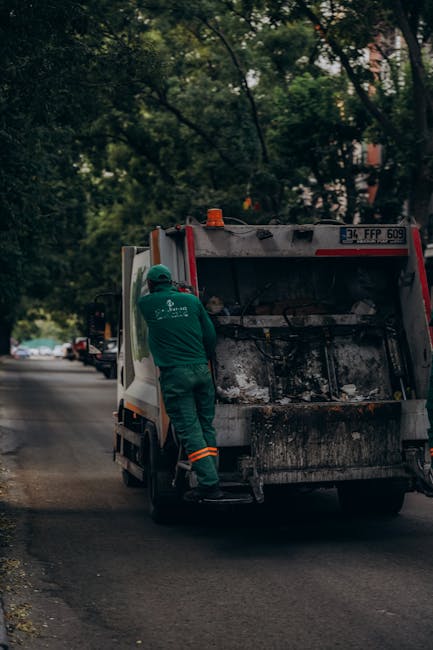
Avoid hidden charges with Ilford rubbish removal quotes
If you have ever asked for a rubbish removal quote and then felt that sinking feeling when the final bill was higher than expected, you are not alone. Hidden charges can turn a simple clear-out into an annoying, expensive hassle. The good news? Avoid hidden charges with Ilford rubbish removal quotes by knowing exactly what to look for, what to ask, and which pricing signals matter before anyone lifts a single bag.
This guide is written for everyday jobs around Ilford: a flat clearance after a move, a garage full of old bits and pieces, builders' rubble, bulky furniture, or a general waste removal job that needs doing properly. We will look at how quotes are built, where extra costs usually appear, and how to compare quotes in a way that is fair, calm, and actually useful. No fluff. Just the bits that save you money and stress.
To be fair, rubbish removal should feel straightforward. A clear quote, a clear scope, and a clear result. But in real life, access issues, mixed loads, heavy items, and vague descriptions can muddy the waters fast. Let's sort that out.
Table of Contents
- Why hidden charges matter
- How quotes and pricing usually work
- Key benefits of getting transparent quotes
- Who this is for
- Step-by-step guidance
- Expert tips for better results
- Common mistakes to avoid
- Tools, resources and recommendations
- Law, compliance, standards and best practice
- Options and comparison table
- Case study
- Practical checklist
- Conclusion
- Frequently asked questions
Why hidden charges matter
Hidden charges are not just about money. They also affect trust, timing, and whether the job gets done without a row on the doorstep. A quote that looks cheap at first can become far less attractive once extras are added for things like stairs, heavy lifting, parking, congestion, split loads, or waiting time. That is especially frustrating if you are trying to manage a move, a renovation, or a declutter with a tight schedule.
In Ilford, where homes, flats, shops, and mixed-use streets can all have slightly different access challenges, clarity matters even more. A small terrace with alley access is a different beast from a second-floor flat with no lift. The best rubbish removal quotes reflect that from the start. They do not hide it until the van arrives.
Why does this matter so much for searchers comparing local providers? Because most people are not trying to buy "rubbish removal" in the abstract. They are trying to solve a very practical problem: get rid of stuff quickly, legally, and without spending more than they planned. Hidden fees break that promise. And once trust is gone, the whole experience feels harder than it should.
Expert summary: A fair rubbish removal quote should explain what is included, what could change the price, and how the final cost is calculated if the load differs from the original description. If any of that is vague, slow down and ask questions.
How hidden charges with Ilford rubbish removal quotes works
Most rubbish removal pricing works in one of three ways: by volume, by load size, or by item and labour combination. None of these methods is wrong. The issue is how clearly the provider explains them.
A quote may start with a basic estimate based on photos, a short call, or a description of the waste. That estimate is then adjusted, if needed, after the crew sees the actual load. This is normal enough. The problem comes when the adjustment formula was never explained properly. Suddenly a "cheap" collection becomes more expensive because the provider counts every item, charges extra for upstairs access, or applies minimum load rules that were not mentioned before.
If you want to avoid hidden charges with Ilford rubbish removal quotes, focus on the small print in plain English. Ask whether the price includes labour, loading, fuel, disposal, recycling, VAT where applicable, and any access-related costs. If you are dealing with bulky household waste, a mixed clear-out, or renovation debris, those details can change the number quite a bit.
Some customers prefer to book online when the job is simple and well defined. That can work well for predictable loads. Others need a short site visit or a more detailed conversation, especially if the waste is mixed, in a tight space, or includes awkward items like a sofa bed, wardrobes, or broken appliances. Truth be told, the best quote is often the one that asks a few sensible questions up front.
In practice, the process should feel like this:
- You describe the waste honestly.
- The provider asks about access, location, item type, and volume.
- You receive a written quote or a clearly explained estimate.
- Any possible extras are stated before booking.
- The final charge matches the agreed scope, unless you change the job on the day.
That last point is important. If you add more waste, change the collection point, or ask for extra labour, the quote may need to change. That is not hidden charging; that is scope change. The difference is clarity.
Key benefits and practical advantages
Getting a transparent quote does more than protect your wallet. It makes the whole job smoother, especially when time is tight and the house is full of boxes, black bags, or old furniture that has been sitting there far too long.
- You can budget properly. No awkward surprise when the team finishes and presents a bigger bill.
- You can compare providers fairly. If one quote includes disposal and another does not, you will spot the difference.
- You reduce stress on the day. Clear pricing means fewer disputes and less back-and-forth.
- You are more likely to choose the right service. A quote that reflects access, load type, and labour is usually more reliable.
- You avoid paying twice for the same job. This happens more often than people think with unclear minimum charges.
There is also a subtle but important benefit: a transparent quote signals professionalism. A company willing to explain its pricing usually takes the rest of the job seriously too. That does not mean every cheap quote is dodgy, of course. But it does mean the cheapest number on the page is not always the best value. We all know that lesson, usually after the fact.
For businesses, the benefit is even more practical. Office clearances, shop refits, and regular waste removal can get messy if each collection is billed differently without a clear structure. A stable, well-explained quotation helps with planning and, frankly, keeps the office manager from having a mild breakdown over invoicing.
Who this is for and when it makes sense
This advice is for anyone in Ilford who wants waste removed without nasty surprises. That includes homeowners, tenants, landlords, letting agents, small businesses, tradespeople, and anyone clearing a property after a move or refurbishment.
It is especially useful if you are dealing with:
- bulky furniture such as wardrobes, beds, sofas, and mattresses
- garage, loft, or shed clear-outs
- builder's waste after a small renovation
- garden waste after pruning or landscaping
- flat clearance where stairs or access may affect labour time
- mixed household junk where the exact load is not easy to judge
If your job is straightforward, a simple quote may be enough. But if there is any ambiguity around access, weight, volume, or waste type, you should expect a few clarifying questions. That is a good sign, not a nuisance. It means the provider is trying to price the job honestly.
One common scenario: a customer says "just a couple of items" and then points to a garage packed with damp boxes, timber, and an old fridge. Happens all the time. The quote should reflect what is actually there, not the hopeful version. Better to be specific from the start and save everyone a slightly awkward moment on collection day.
Step-by-step guidance
If you want to avoid hidden charges with Ilford rubbish removal quotes, use a simple process. It does not need to be complicated. In fact, simple is better.
1. List everything that needs removing
Start with the obvious items, then check for the bits people often forget: broken shelves, carpet offcuts, small appliance parts, old boxes, packaging, and garden debris tucked behind the shed. The more complete your list, the more accurate the quote will be.
2. Note access conditions
Think about stairs, parking, narrow hallways, low ceilings, locked gates, or long carrying distances. In Ilford, access can make a bigger difference than people expect. A ground-floor job with nearby parking is not the same as a fourth-floor flat with no lift.
3. Share photos if possible
Photos help a lot, especially if the waste is piled unevenly. Try to show the whole load and the surrounding space. A close-up of one corner will not tell the full story. A quick 10-second phone video can be even better. Old-school? Maybe. Useful? Definitely.
4. Ask what the quote includes
Do not assume. Ask whether the price includes loading, disposal, recycling, VAT, labour, and waiting time. If the company charges extra for heavy items or special access, get that in writing or at least in a message you can refer back to.
5. Check whether the quote is fixed or estimated
A fixed quote gives more certainty. An estimate may still be fair, but it should explain what could change it. If the wording feels slippery, ask them to restate it plainly.
6. Compare like with like
A lower price only matters if the service scope is the same. One company may include everything, while another leaves out disposal fees or adds a minimum charge later. Compare the whole offer, not just the headline figure.
7. Confirm the final price trigger
Ask what would make the price go up. More bags? Heavier waste? Extra labour? Longer carrying distance? Once you know the triggers, you can make a more informed choice.
This is the part many people skip, and then regret it. The quote is not just a number. It is a promise about how that number was reached.
Expert tips for better results
After dealing with enough clear-outs, a few patterns become obvious. Small choices up front can save a lot of hassle later on.
- Be specific, not optimistic. If you think it is "probably one van load," say that it is an estimate, not a fact.
- Use photos taken in daylight. It sounds minor, but poor lighting makes loads look smaller than they are. Around late afternoon in winter, everything looks smaller and gloomier anyway.
- Separate hazardous or specialist waste early. Items like chemicals, paint, asbestos-containing materials, and some electrical waste need different handling and may not be accepted in a standard load.
- Ask about recycling and reuse. This will not always change the price, but it can affect how the waste is sorted and disposed of.
- Watch for vague language. Phrases like "from," "starting at," or "subject to inspection" are not bad on their own, but they should be backed up with clear conditions.
- Keep parking practical. If a van cannot get near the property, the job may take longer and cost more. Sometimes a minute spent checking this saves a lot later.
Here is a small but useful tip: if you are clearing multiple rooms, group the waste by type before requesting a quote. Furniture in one corner, mixed rubbish in another, garden waste separate if possible. Even a rough sort can improve the estimate. It also makes you feel, oddly enough, a bit more in control of the whole process.
And yes, ask what happens if the crew arrives and the load is lighter than expected. A fair provider should be willing to adjust downwards where appropriate. Not everyone does, which is a shame, but it is worth asking.
Common mistakes to avoid
A lot of extra costs are avoidable. The tricky bit is that they usually come from small assumptions rather than obvious errors.
- Assuming "all-in" means everything. It often does, but not always. Clarify what "all-in" covers.
- Forgetting access details. A quote based on kerbside collection may not cover stairs, lift use, or long carries.
- Not mentioning bulky or heavy items. Sofas, beds, appliances, and builders' debris can change the pricing structure.
- Leaving out mixed waste. A load that is mostly household junk but includes a few heavier items may be priced differently.
- Comparing only the cheapest quote. Cheap and clear is great. Cheap and vague is where the trouble starts.
- Booking before reading the terms. This is a very human mistake. We all do it. But it is also where a lot of avoidable irritation begins.
A practical example: you ask for furniture removal, but you also want a broken washing machine taken away. If the company treats appliances separately, the quote might change. That is not automatically unfair. It just needs to be explained before the van turns up and everyone is standing there in the hallway pretending nothing is awkward.
Another one: a provider quotes from photos but the photos did not show the pile behind the door. The team arrives, spots the hidden extra bags, and the price moves. Avoidable? Usually, yes. Easy to miss? Also yes.
Tools, resources and recommendations
You do not need special software to get a better rubbish removal quote. A few simple tools are usually enough.
- Phone photos and short videos to show the full scope of the job
- A notepad or checklist for item types, access notes, and questions
- Measuring tape if you need to estimate how much floor space bulky items take up
- Messages or email to keep a written record of the quote details
- Property access notes such as parking restrictions, stairs, and time windows
For local jobs, it helps to look at the service pages that match your situation. If you are clearing a whole property, house clearance or home clearance may fit better than a general collection. If it is a business setting, business waste removal or office clearance will usually be more relevant. For one-off items like old sofas or mattresses, the more specific option can make the quote easier to understand.
If you want to learn more about how pricing is presented, a page about pricing and quotes is often the best place to start. For smaller, more certain bookings, book online can be convenient once you already know what needs removing.
There is also value in understanding what the company is about and how it handles customer care. A quick look at about us and practical policies like payment and security can help you judge whether the service feels trustworthy before you commit.
Law, compliance, standards and best practice
Waste removal is not just about lifting things into a van. There are legal and practical responsibilities around how waste is carried, transferred, stored, and disposed of. You do not need to know every detail as a customer, but you do need enough awareness to spot a provider that takes the job seriously.
In the UK, anyone handling waste professionally should operate in line with the relevant waste duty of care expectations. In plain English, that means waste should be collected, transported, and disposed of responsibly, with proper handling of different waste types. If hazardous materials are involved, the job becomes more sensitive and may require specialist disposal. That is why it is important to say what you have, not what you hope you have.
Best practice also means proper insurance, safe lifting, sensible vehicle loading, and clear communication about what is accepted. For example, some items need separate treatment because of their material or contents. Electrical appliances, fridges, and certain hazardous waste streams should be discussed in advance, not dropped into a generic quote and hoped for the best.
If you are comparing providers, check whether they seem open about safety and handling standards. Pages like insurance and safety, health and safety policy, and hazardous waste disposal can help you judge the level of care behind the price. For broader environmental handling, recycling and sustainability is worth reading too.
One more thing: if a quote seems oddly low and the service says nothing about disposal, insurance, or proper handling, that can be a warning sign. Not always, but enough to pause. Better safe than sorry, as the old saying goes. A little boring maybe, but useful.
Options, methods, or comparison table
Different jobs suit different quoting methods. The right approach depends on how clear the load is, how urgent the collection is, and how complicated the access might be.
| Quote method | Best for | Pros | Watch out for |
|---|---|---|---|
| Photo-based quote | Clear, visible loads | Fast, convenient, easy to compare | Hidden items, poor lighting, incomplete photos |
| Fixed quote after questions | Standard household or business jobs | Good certainty, easier budgeting | Depends on accurate information from you |
| On-site estimate | Large, mixed, or awkward clearances | Most accurate for complex jobs | Takes more time to arrange |
| Starting-from price | Very simple jobs with known scope | Quick headline price | Can hide extras if the scope is not clear |
For many people, a fixed quote after a few clear questions gives the best balance of convenience and certainty. Photo-based pricing works well when the job is easy to see. On-site estimates are best when the situation is messy or large enough that guessing would be silly. And yes, sometimes guessing really is silly.
If you are clearing a garage, loft, or packed room, consider whether a more specific clearance service may be better than a general removal. For example, garage clearance, loft clearance, and flat clearance may provide a clearer scope than a vague "rubbish collection" request.
Case study or real-world example
Here is a realistic example. A couple in Ilford were clearing a two-bedroom flat before moving out. The job looked simple at first: a bed frame, two wardrobes, a sofa, a small fridge, and a dozen bags of mixed clutter. Then they remembered the hallway cupboard, the old ironing board, and a pile of packaging from furniture deliveries. Classic.
They initially asked for a rough price based on a brief description. The first estimate seemed low, but it did not clearly mention stair carries, appliance removal, or the mixed nature of the load. Instead of accepting that number at face value, they sent photos, confirmed access, and asked what was included. The revised quote was higher, but it was honest. No awkward add-ons later. No "oh, by the way" when the van arrived. Just a clear agreed price and a clean finish.
That is really the point. A slightly higher quote that is clear can be better value than a lower quote that grows by stealth. In the end, the flat was cleared on time, the final bill matched the expectation, and everyone got on with their day. Not dramatic. Which is exactly how it should be.
Another common real-world situation is a small business office clearance where desks, chairs, filing cabinets, and confidential paperwork all need handling differently. In that case, it may make sense to combine services such as confidential shredding with office clearance so the scope is clear from the beginning. A bundled approach can actually reduce surprises.
Practical checklist
Use this quick checklist before accepting any quote.
- Have I listed every item to be removed?
- Did I mention stairs, parking, gates, and any access issues?
- Have I sent clear photos or a video?
- Do I know whether the quote is fixed or estimated?
- Did I ask what the price includes?
- Have I checked whether heavy, bulky, or special items cost extra?
- Did I confirm whether VAT or disposal fees are included where relevant?
- Do I understand what would make the final price change?
- Am I comparing this quote with like-for-like services?
- Have I kept the quote details in writing?
Quick takeaway: the best way to avoid hidden charges is to slow the process down just enough to make it accurate. A few extra minutes at the quote stage can save a lot of frustration later. Honestly, that is usually time well spent.
Conclusion
Hidden charges are usually avoidable when the quote is clear, the scope is honest, and the provider explains how pricing works. If you take nothing else from this guide, remember this: compare rubbish removal quotes on the full service, not just the headline number. Ask what is included, ask what changes the price, and ask for clarity before the van is booked.
That approach is especially useful in Ilford, where different property types, parking setups, and access conditions can change the job more than people expect. With a little care, you can get a fair, straightforward service and avoid the kind of billing surprises that leave a bad taste in your mouth for the rest of the day.
And once the clutter is gone, the room feels different. Quieter somehow. Brighter too. It is a small relief, but a proper one.
Get a free quote today and see how much you can save.
Frequently Asked Questions
What should be included in an Ilford rubbish removal quote?
A good quote should explain the collection cost, labour, loading, disposal, and any likely extras such as heavy items, awkward access, or special waste. If it is not clear, ask for a breakdown before booking.
Why do rubbish removal quotes sometimes change on the day?
Quotes usually change when the waste volume, weight, or access details are different from what was described. A fair change should be based on a genuine difference in scope, not a vague excuse after the fact.
How can I compare rubbish removal quotes fairly?
Compare like with like. Check whether each provider includes labour, disposal, VAT, and access conditions. A cheaper quote is not better if it leaves out key costs.
Is a fixed quote better than an estimate?
A fixed quote gives more certainty, which many people prefer. An estimate can still be fine for more complex jobs, but it should clearly explain what might affect the final price.
Do photos help reduce hidden charges?
Yes, clear photos or a short video can improve accuracy a lot. Try to show the full load, not just one corner, and include the surrounding area so access can be judged properly.
Are bulky items more expensive to remove?
Often, yes. Large or heavy items may take more labour, more space in the vehicle, or more careful handling. Sofas, wardrobes, mattresses, and appliances are common examples.
What access issues can affect the price?
Stairs, narrow hallways, long carrying distances, parking restrictions, locked gates, and no lift access can all affect pricing. The more awkward the access, the more important it is to mention it early.
Can I avoid hidden fees by booking online?
Sometimes yes, especially if the job is simple and the booking form asks good questions. But if the waste is mixed or access is tricky, a short conversation first is usually safer.
Should I ask about recycling in the quote?
Yes, it is sensible to ask how the waste will be handled. Responsible sorting and recycling do not always change the price, but they are a sign of a well-run service.
What if I have hazardous items mixed in with general rubbish?
Say so before the job is booked. Hazardous items often need specialist handling, and they should not be hidden inside a general clearance quote.
Is the cheapest quote always the best choice?
Not usually. The cheapest quote can be great if it is clear and complete, but a low starting price with lots of add-ons can end up costing more overall.
How do I know if a rubbish removal company is trustworthy?
Look for clear pricing, straight answers, sensible questions about access, and transparent policies. Helpful pages such as pricing, payment, insurance, and safety information can tell you a lot before you commit.
Can hidden charges be avoided completely?
In most cases, yes, if you describe the job accurately and ask the right questions. The key is clarity. A little careful checking upfront goes a long way.
What is the best next step if I need a quote now?
Gather a list of items, take a few photos, note any access issues, and request a quote that explains exactly what is included. That is the simplest way to keep control of the final price.
If you are ready to move from comparison to action, choose the option that feels clear, fair, and straightforward. The right quote should make you feel calmer, not more confused. And that is usually the best sign of all.